Ang Thong National Marine Park: Beauty worth preserving

KindScore — Rating of impact to people, animals and planet
Ang Thong Marine Park boat tour with Diamond Tours
A popular full-day marine park tour with moderate environmental footprint and community benefit, but limited transparency on operator-specific practices.
Can you visit one of Thailand’s most stunning marine parks without damaging it?
Ang Thong National Marine park is a spectacle of nature. Forty-two islands rise up proudly from the turquoise sea. They’re home to abundant marine fish around the coral reefs, monkeys leaping through the jungle canopy and we were even lucky enough to spot pink dolphins on our way to the islands.
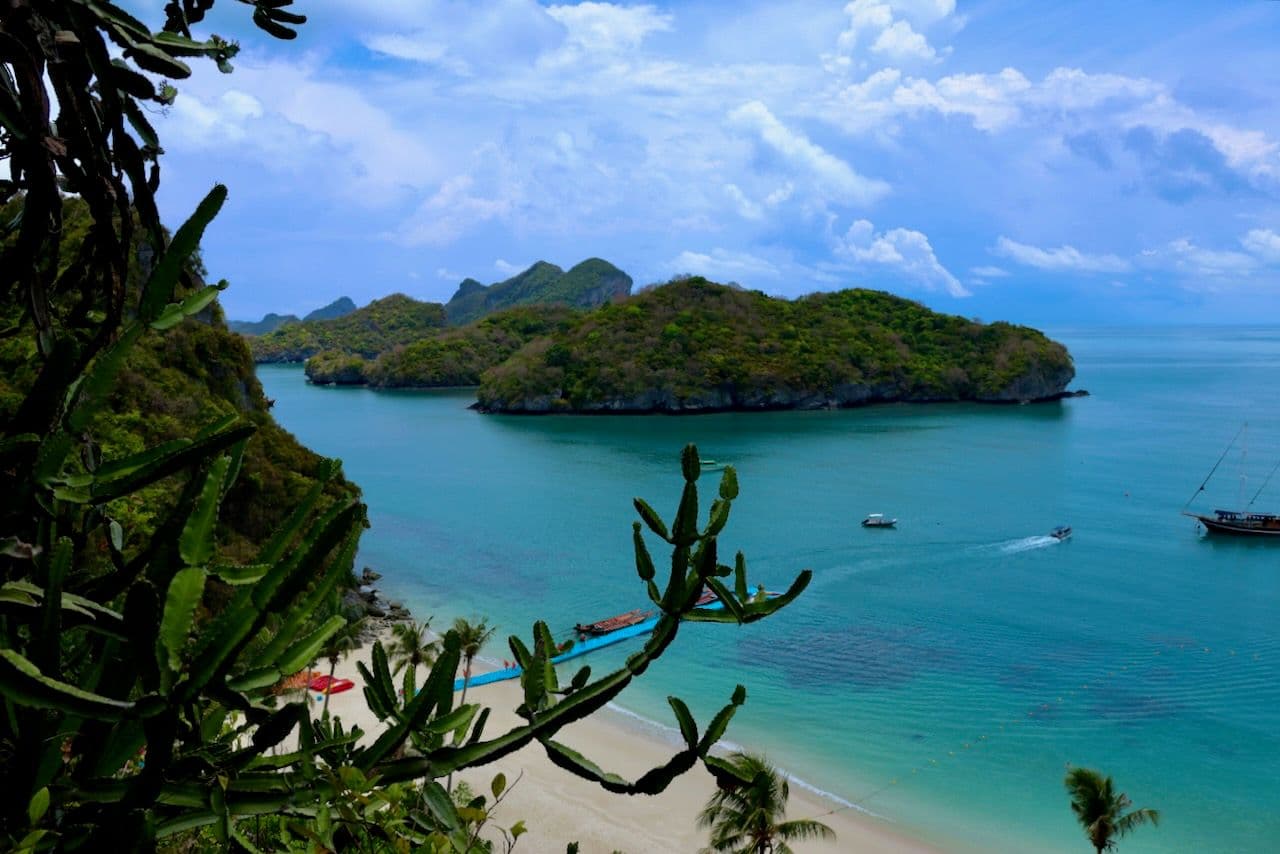
The big shiny problem - speedboats. Are they the only way to visit?
Speedboats are known to be disruptive to marine life, from dolphins to reef fish and can significantly harm their reproduction [1], as well as being a very fuel-intensive mode of transport. We estimated around 400 litres of fuel was burned for the 20-person day trip [2], especially as the 600hp boat was running near full speed.
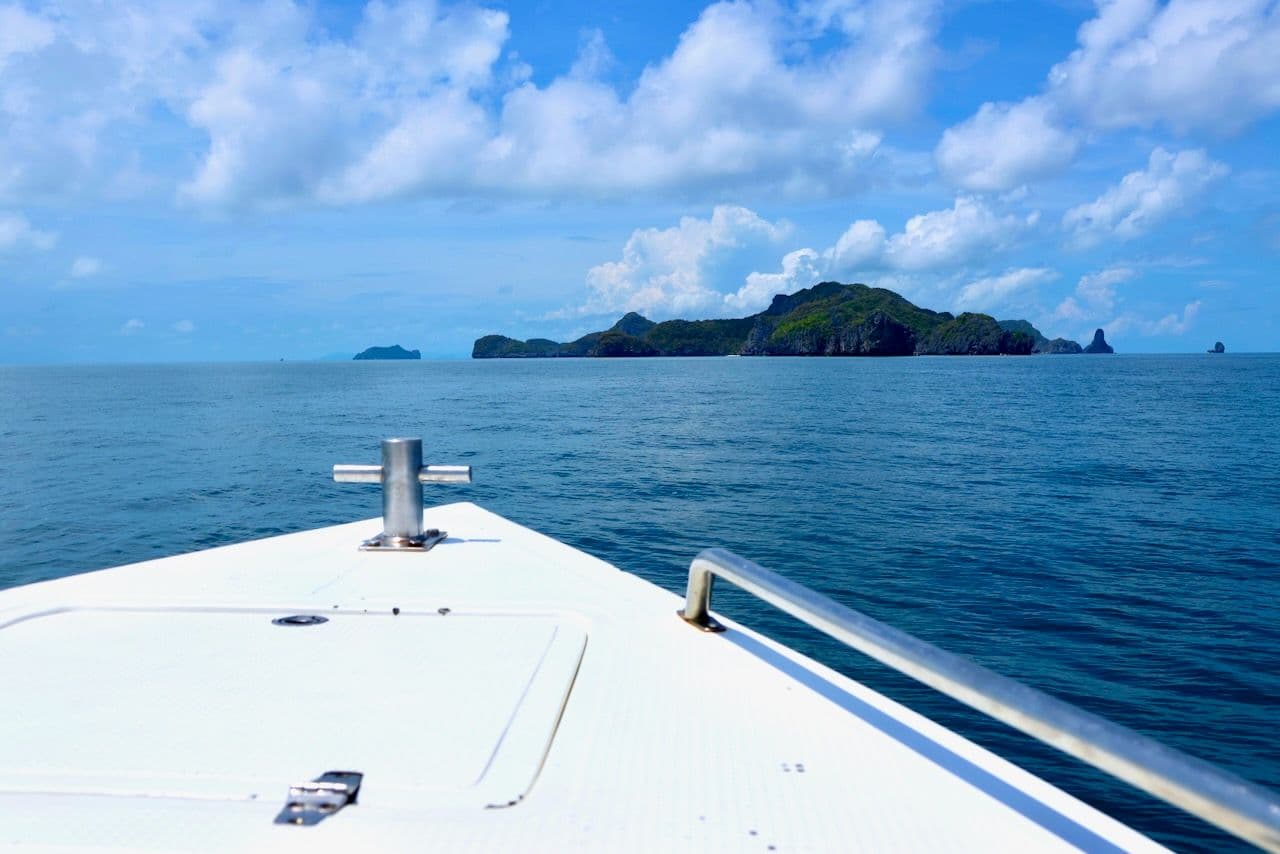
There’s other options here and, if we’d known the difference, we likely would have taken a bigger, more comfortable boat. “Big Boats” use much less fuel per person and their larger, slower RPM engines produce a less disruptive sound underwater.
Small changes like this are easier to discover by checking your activity using KindScore before you visit.
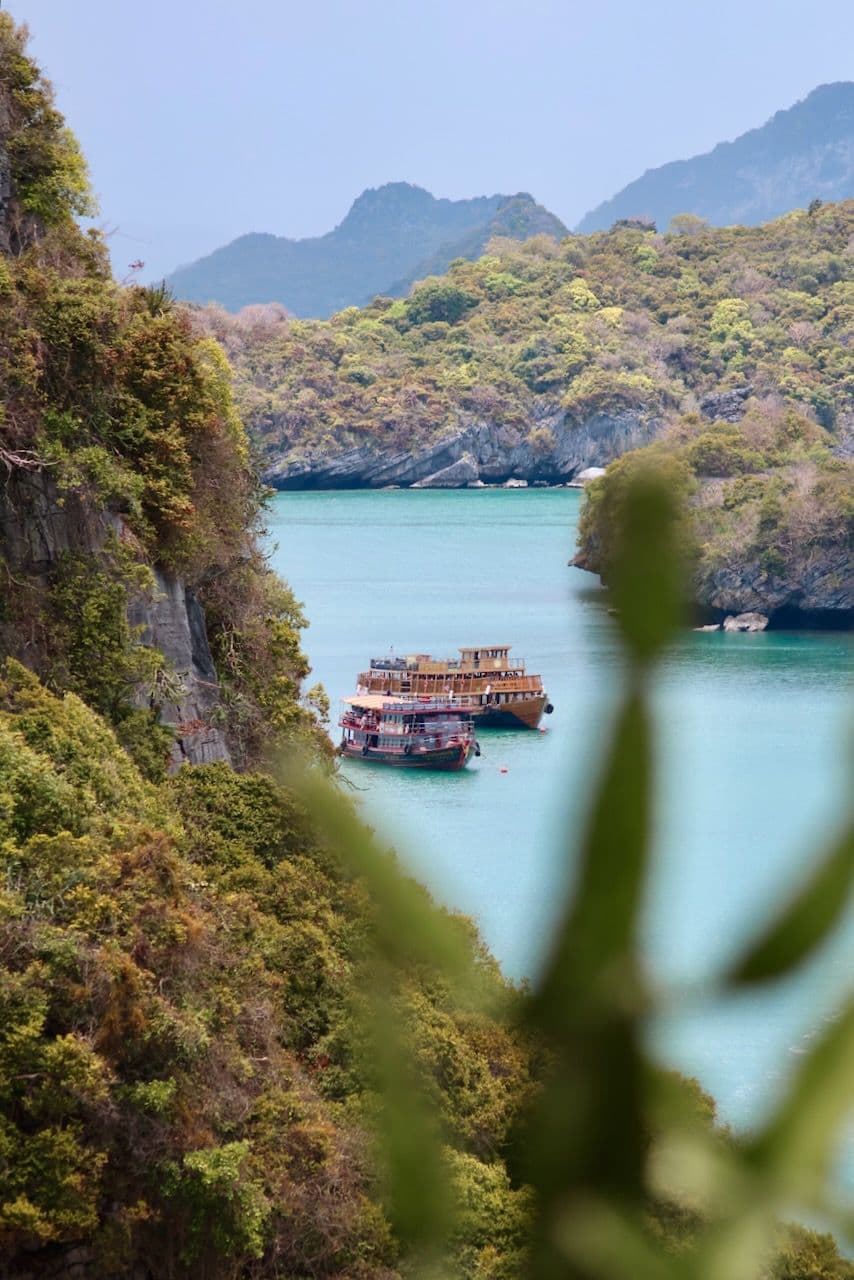
Beauty from below the sea to high up the mountain
The best way to see Ang Thong Marine Park is from the top of its highest peak, at Pha Jun Jaras Viewpoint. It’s a steep 500m hike from sea level to the top of Ko Phaluai, at an altitude of 396m. It’s not an easy climb up, especially in the heat - we passed tourists drenched in sweat on our way up, and looked just as bad ourselves on our way down.
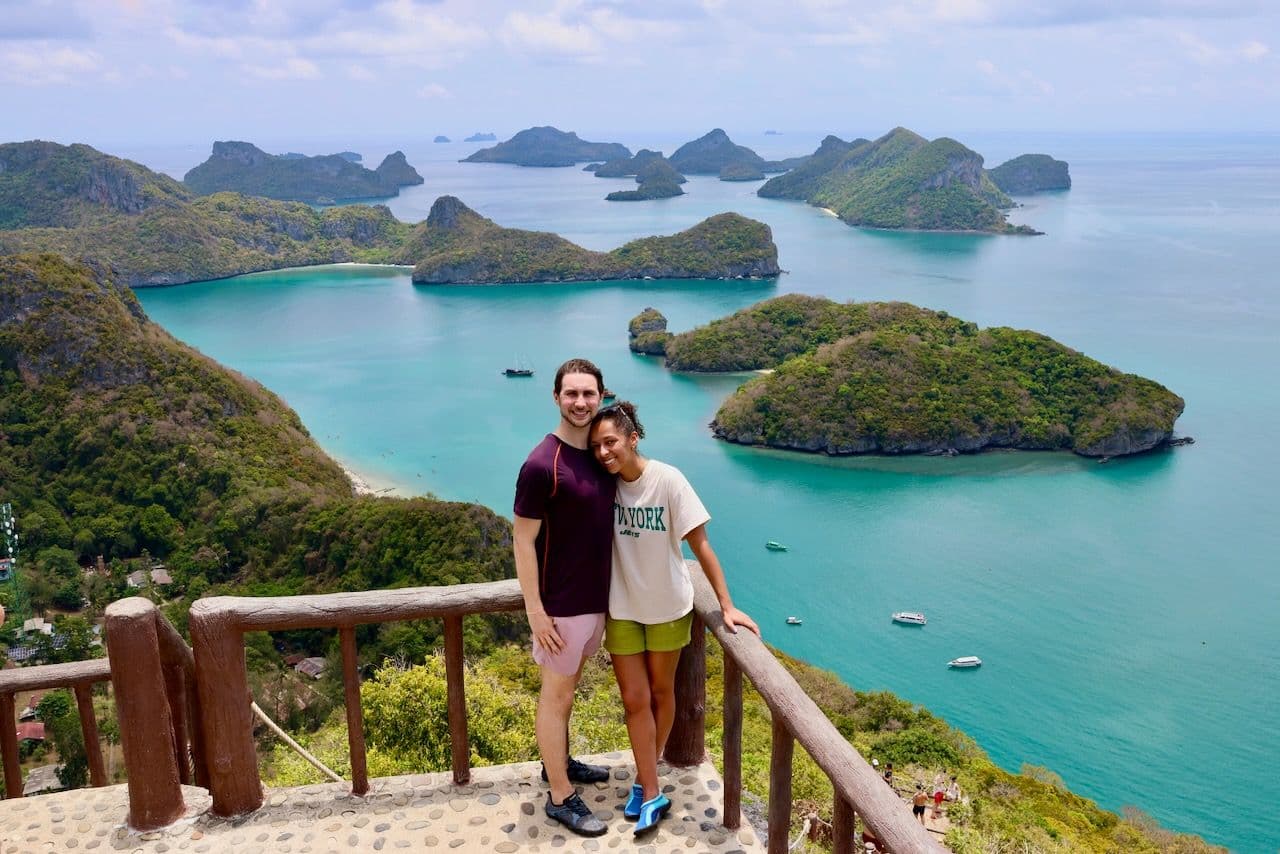
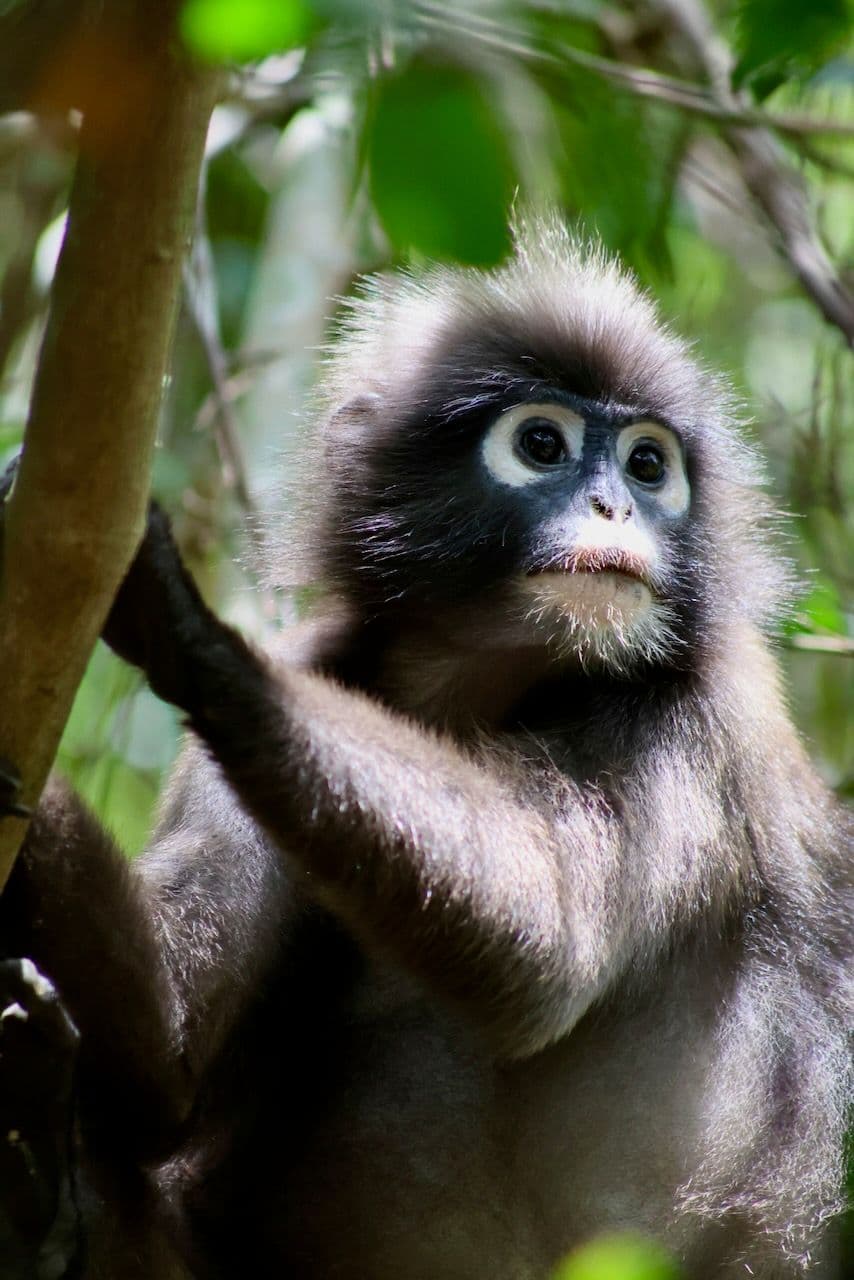
While the viewpoint lets you take in the majesty of the islands all around you, the climb up through the forest was equally special, with spectacled langurs (a species of monkey found in South East Asia) leaping between the trees overhead. Seeing these animals in the wild was a fascinating moment that felt vastly more real than seeing them in captivity, and was made even better by the effort we took to be there.
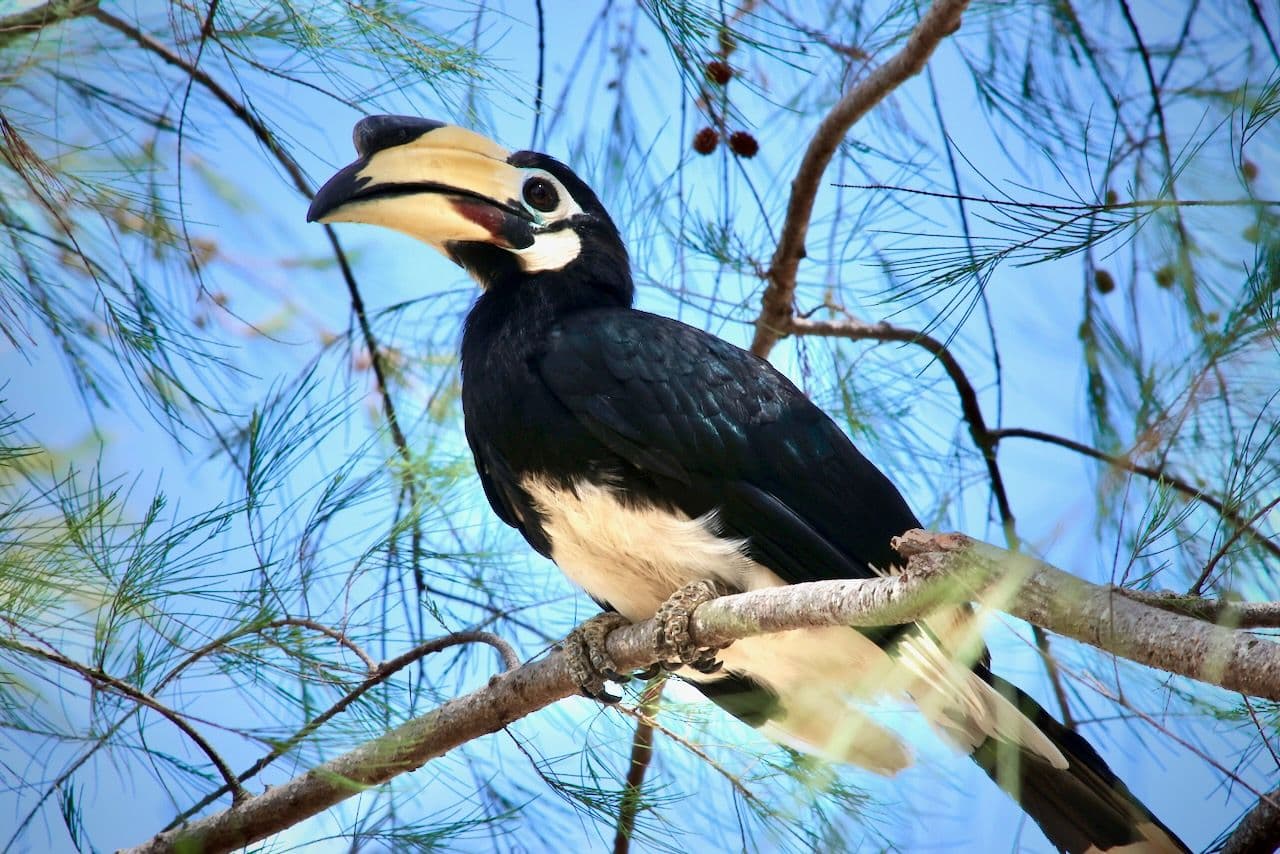
Local lunch surrounded by hornbills
The tour takes you across five different stops, with the lunch stop serving up a delicious locally cooked buffet. We appreciated that a vegetarian option was offered here - that can sometimes be hard to find across Thailand. We won’t dwell on the point here, but reducing meat consumption, even if you don’t cut it out entirely, is almost always environmentally beneficial.
Unexpectedly, we were surrounded by hornbills at lunch - stunning birds that I mistook for toucans at first due to their long beaks.
Water bottles - a totally avoidable downside
Thailand’s commitment to reducing plastic waste seemed mixed at best. There were plenty of banners about caring for the planet, but most hotels and tours were all too happy to keep giving out new plastic water bottles rather than providing any way to refill them. When we took a scuba diving boat trip, they had a water cooler on board, so we know it’s possible. Disappointingly however, the tour to Ang Thong just kept handing out water bottles - at least five per person throughout the day.
There’s some small action we can take here - enough tourists asking tour operators and hotels to use a water cooler and encourage guests to reuse their bottles will go a long way in reducing plastic waste.
Should you go?
We’re all about making small decisions to travel better, rather than not travelling at all. We found this trip hugely enjoyable, and seeing monkeys and hornbills up close in the wild really gives us an appreciation for the special creatures that deserve our respect. So, we’d certainly recommend taking a tour to Ang Thong - but ask a few questions before you go to find the least impactful option. A bigger, slower boat, and one that encourages water bottle refills, would make a huge difference.
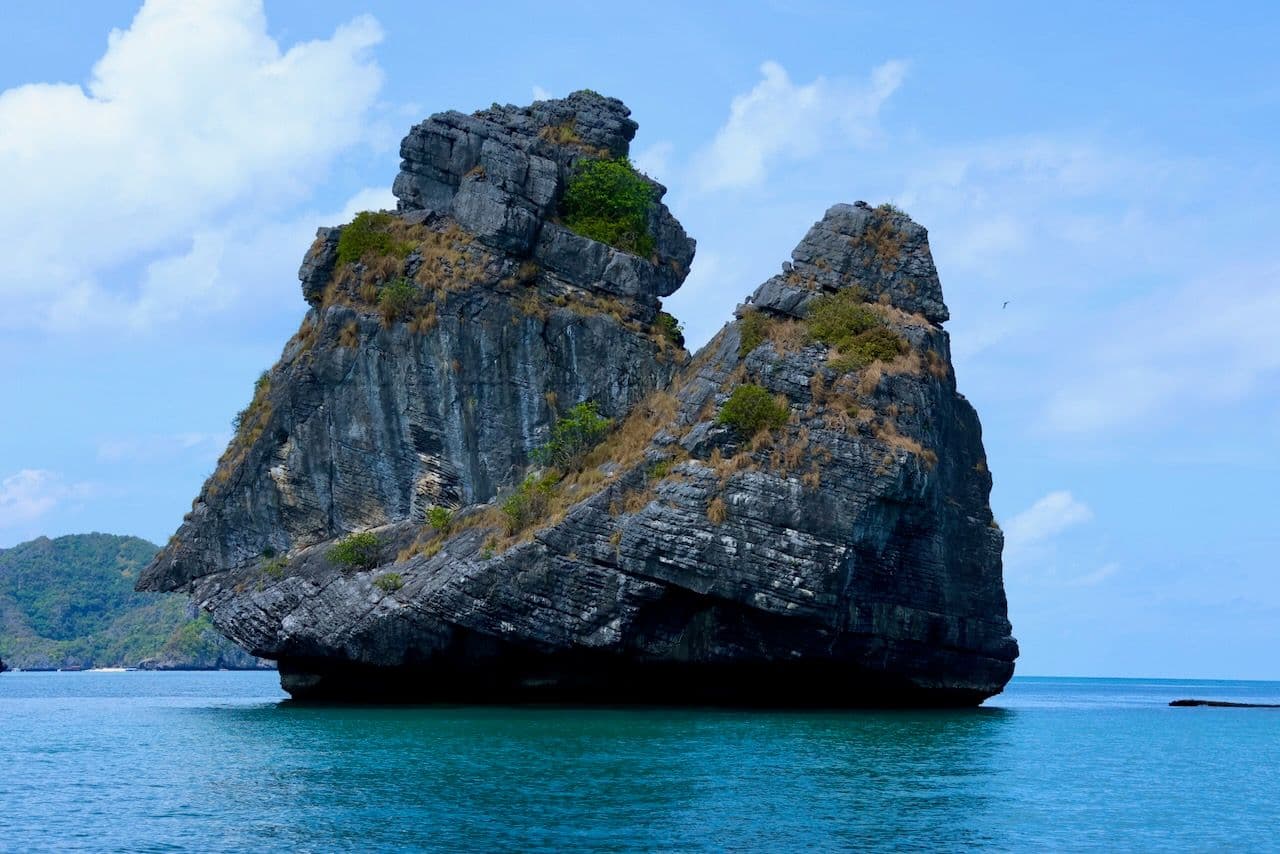
’Praying Monkey Rock’ in Ang Thong resembles a monkey with its hands held up in prayer
What small changes have you thought about on tours that could improve their impact on the planet? Let us know in the comments below.
Enjoyed this? Get more.
Honest travel stories and conscious travel inspiration, straight to your inbox.
Gallery
Related reading
Sources

Adam & Bella
We're building Be TravelKind after an elephant sanctuary taught us how small travel choices can have a big impact on people, animals and the planet.
Read our story →Try KindScore
Rate any travel activity's ethical impact — sustainability, animal welfare and community — in seconds.
Rate an activity →
Quick check
We just need to check you’re human before you carry on.
Comments
Loading comments…