

- Advice
Sustainable travel blogs to follow in 2027
Eight sustainable travel blogs we recommend in 2027, for ethical wildlife trips, slow and positive-impact travel, eco hotels and train travel.
Read more →
We’ve been doing a lot of snorkeling and diving this year. Sometimes the guides recommend “reef safe sunscreen”, sometimes “mineral sunscreen”, and sometimes it’s not mentioned at all. So we decided to look into just how much it matters for coral reefs and marine life.
This isn’t to say that sunscreen has no effect on coral reefs. It can definitely harm them, which is discussed later in this blog.
But there are much bigger factors hurting reefs globally. In fact, sunscreen isn’t even in the top 5 factors contributing to reef decline. Those are:
The active ingredients oxybenzone, octinoxate and octocrylene, which act as chemical UV filters and help achieve high SPF ratings, have been found to disrupt corals and make them more susceptible to bleaching and death. Most research points to octocrylene being less damaging — the first two chemicals are banned in many countries.
While many swimming spots and reefs have enough water movement to dilute these chemicals to levels that are below what’s been proven harmful, some areas with high tourist traffic or low water movement can far exceed the toxic levels.
The terms “reef safe” and “reef friendly” are not regulated — they are marketing terms and have no defined meaning. The main way to avoid harmful chemicals is to check your sunscreen doesn’t contain oxybenzone, octinoxate or octocrylene.
It’s still extremely important to protect yourself against UV damage. The best ways to do this for reefs (and your wallet) are to:
Mineral-based sunscreens can be a good option to avoid these chemicals entirely, although many consumer sunscreens already avoid or limit the amount of oxybenzone and octinoxate. Mineral sunscreens, i.e. those with active ingredients limited to non-nano zinc oxide or non-nano titanium dioxide, are understood to be much less damaging to reef health. If you’re in Australia, we recommend one in the last section of this post.
Climate change is by far the biggest threat. Warmer waters make coral bleaching events and disease outbreaks among corals much more common. Ocean acidification and increased storm strength are extremely damaging to reef health.
You are not powerless against climate change. Your vote and where you spend your money really can help.
Agricultural runoff includes fertiliser and pesticides that disrupt marine life globally. Overfishing can devastate individual reefs.
Your spending matters here too. Reducing fish consumption, looking for sustainably-sourced fish and buying organic produce can all help.
Plastic pollution is hugely damaging to coral reefs and marine life globally, and it’s an issue everybody can make a clear impact on.
The easiest way to cut back on single-use plastics is by avoiding bottled drinks, especially water. Coca Cola is the worst plastic polluter and owns hundreds of bottled water brands. In many countries we simply don’t need bottled water because tap water is safe.
When it comes to sunscreen, the best approach is to let less get into the water in the first place. Covering up is often the better choice for your skin, your wallet and the planet. Only use as much sunscreen as you need for exposed skin, and allow 20 minutes for it to soak in before you get into the water or it won’t be effective.
The most effective choice to save the reef and your money is to avoid buying lots of tiny plastic sunscreen bottles. If you’re going to use a lot of sunscreen, look for bigger containers that are ideally recyclable, made from recycled materials or even compostable.
Try to avoid sunscreens containing oxybenzone, octinoxate and octocrylene. Mineral sunscreens are normally the best option here, but often have the tradeoff of being thicker and leaving a white residue.
Our suggestions:
Honest travel stories and conscious travel inspiration, straight to your inbox.

Adam & Bella
We're building TravelKind after an elephant sanctuary taught us how small travel choices can have a big impact on people, animals and the planet.
Read our story →Try KindScore
Rate a travel activity's ethical impact — sustainability, animal welfare and community — in seconds.
Rate an activity →Eight sustainable travel blogs we recommend in 2027, for ethical wildlife trips, slow and positive-impact travel, eco hotels and train travel.
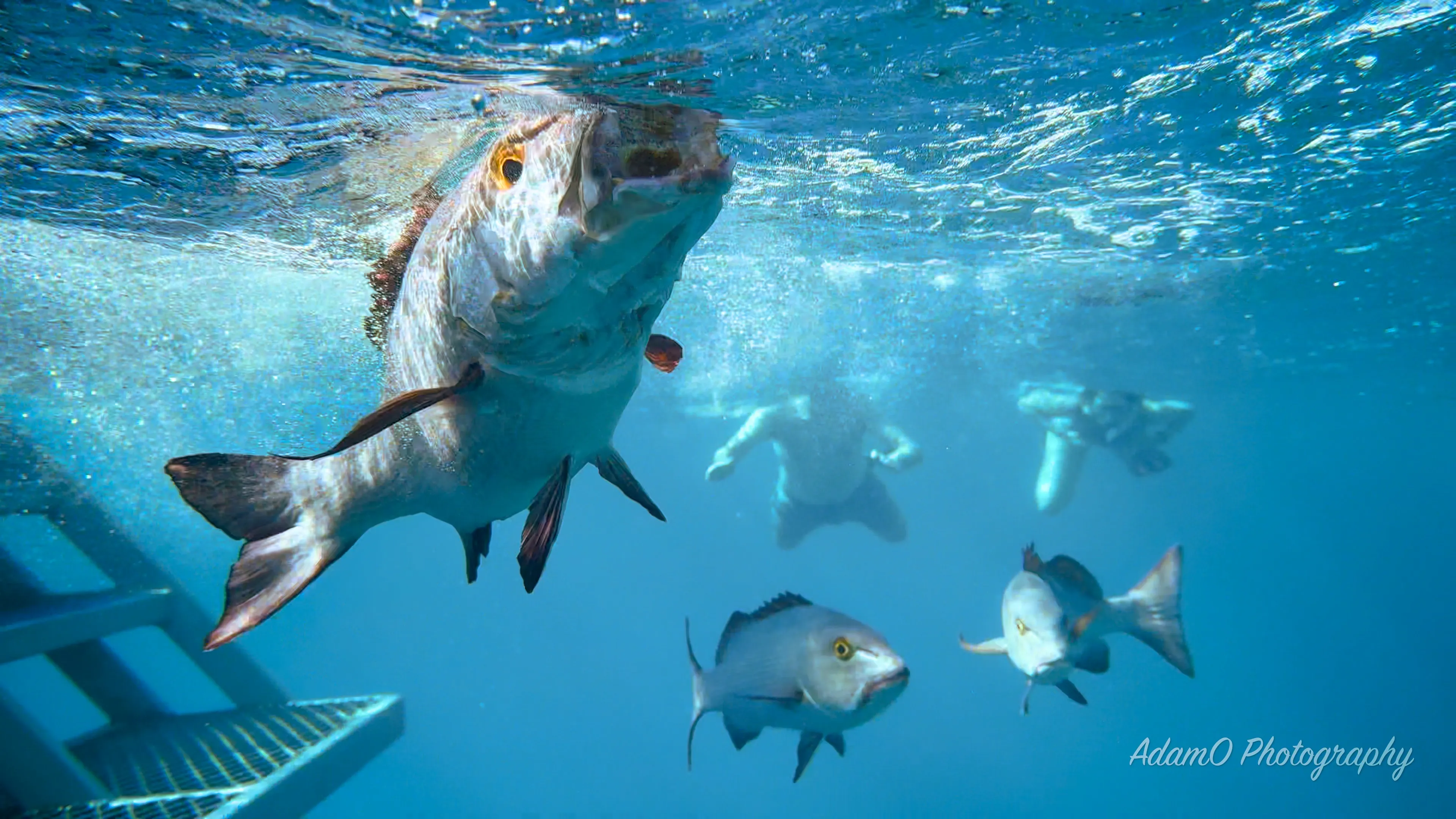

We dived the Great Barrier Reef from Port Douglas with Calypso Reef Cruises. What the day was like, and whether reef diving does more harm than good.
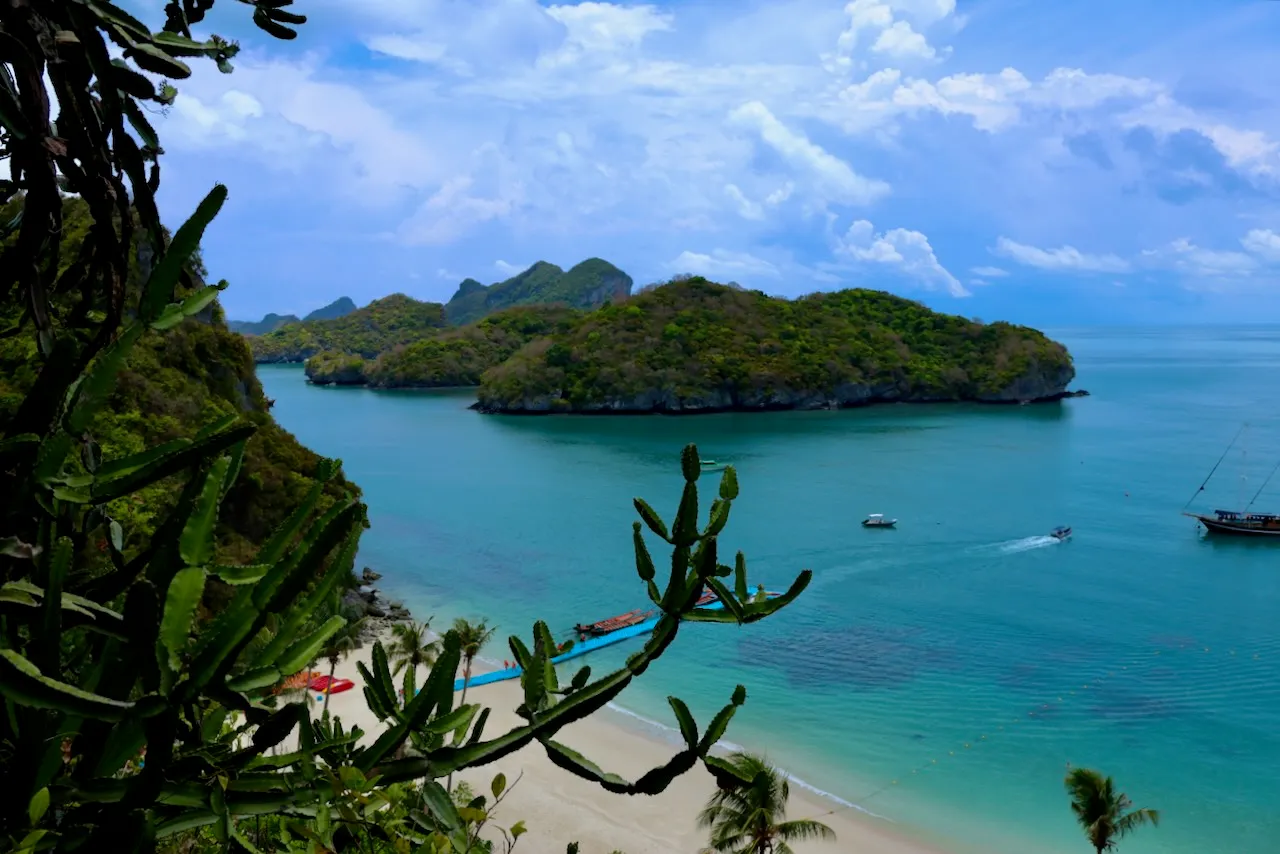

Thailand's Ang Thong Marine Park is breathtaking. But speedboats, plastic bottles and small choices matter. What we wish we'd known before booking.
Quick check
We just need to check you’re human before you carry on.
Comments
Loading comments…